Esports Arenas Are Getting Smaller — and Better
The 20,000-seat mega-venue is losing ground to 3,000-seat rooms built for broadcast, not attendance.
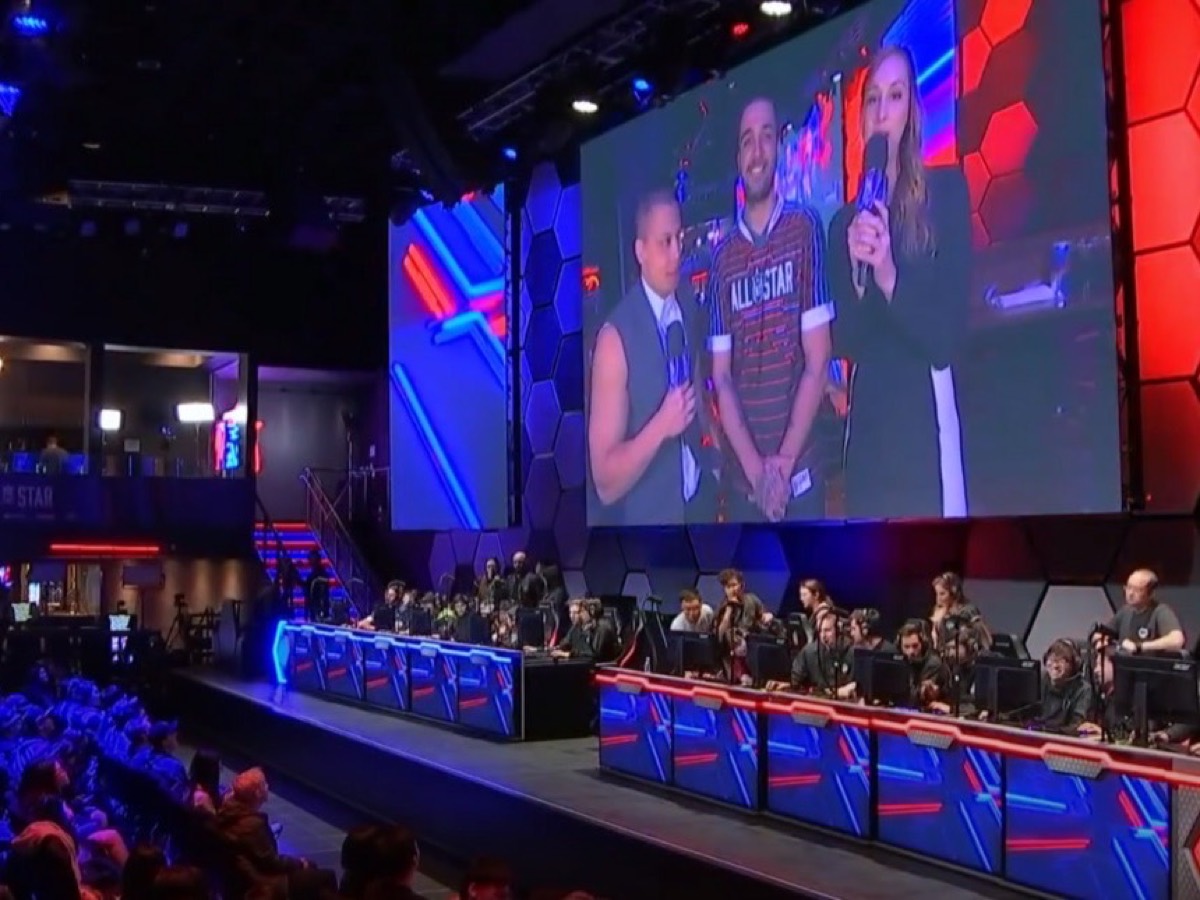
For a decade the signal of an esports event's importance was seat count. That logic is quietly reversing: several major circuits now run their regular season in rooms of two to four thousand and keep the mega-venue for finals only.
Why smaller works
- Broadcast lighting and camera positions are cheaper to optimise in a smaller room.
- Ticket revenue is a smaller share of the total than sponsorship and stream revenue.
- A full 3,000-seat room reads better on stream than a half-empty 15,000-seat one.
The last point matters more than it sounds. Empty seats are visible to every viewer, and sponsors price against perceived atmosphere.
Advertisement
We stopped selling seats and started selling the shot. The room is a set.
Who loses
Cities that financed arenas on the assumption of regular sell-outs. Several are now renting to conventions on non-event weeks, which is a different business with different margins.