Why 120Hz Actually Matters on Handhelds
It is not smoothness. It is the four milliseconds you get back when a dodge window is eighteen frames wide.
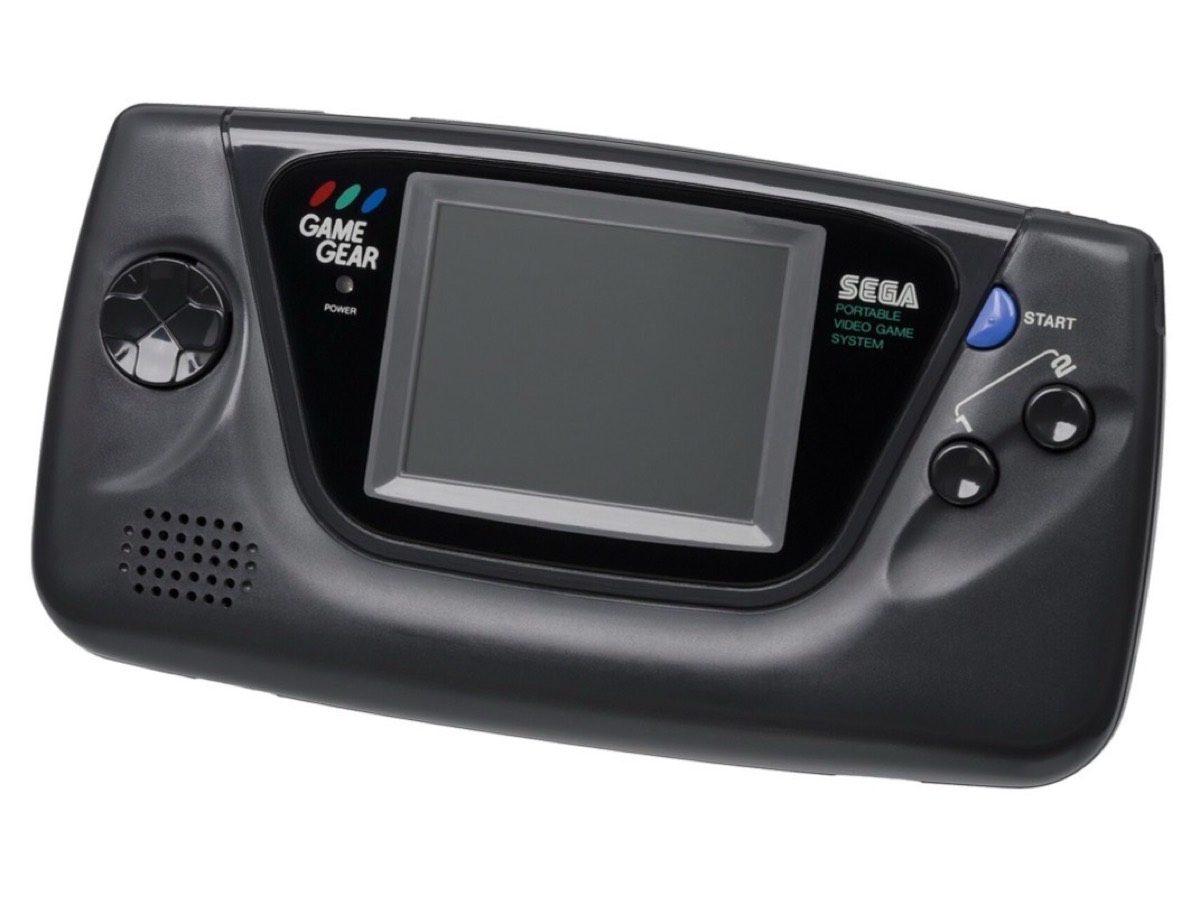
Every handheld review mentions the refresh rate in the spec list and then never brings it up again. That is a mistake, because on a small screen the difference is not visual smoothness — it is input timing.
The numbers that matter
At 60Hz a frame lasts 16.7ms. At 120Hz it lasts 8.3ms. In a game with an eighteen-frame dodge window, that is the difference between a window you can react to and a window you have to predict.
- Latency drops by roughly one frame, not by half.
- Battery cost is real: expect 15–20% less playtime at 120Hz.
- Only a handful of titles actually render above 60fps — check before you buy.
Where it disappoints
Several current handhelds ship a 120Hz panel and then cap the renderer at 60. Marketing calls it a 120Hz display; the game still runs at 60. Verify per title, not per spec sheet.
If you play fighting games or precision platformers, it is worth the battery. If you play turn-based games, save the money and the charge.